
Beat the Heat: Summer Safety Tips for Nebraska Seniors
Nebraska summers can bring intense heat and humidity, making it especially important to plan and take precautions. Whether you're spending time outdoors, enjoying your favorite summer activity or simply running errands, heat safety should be a top priority.
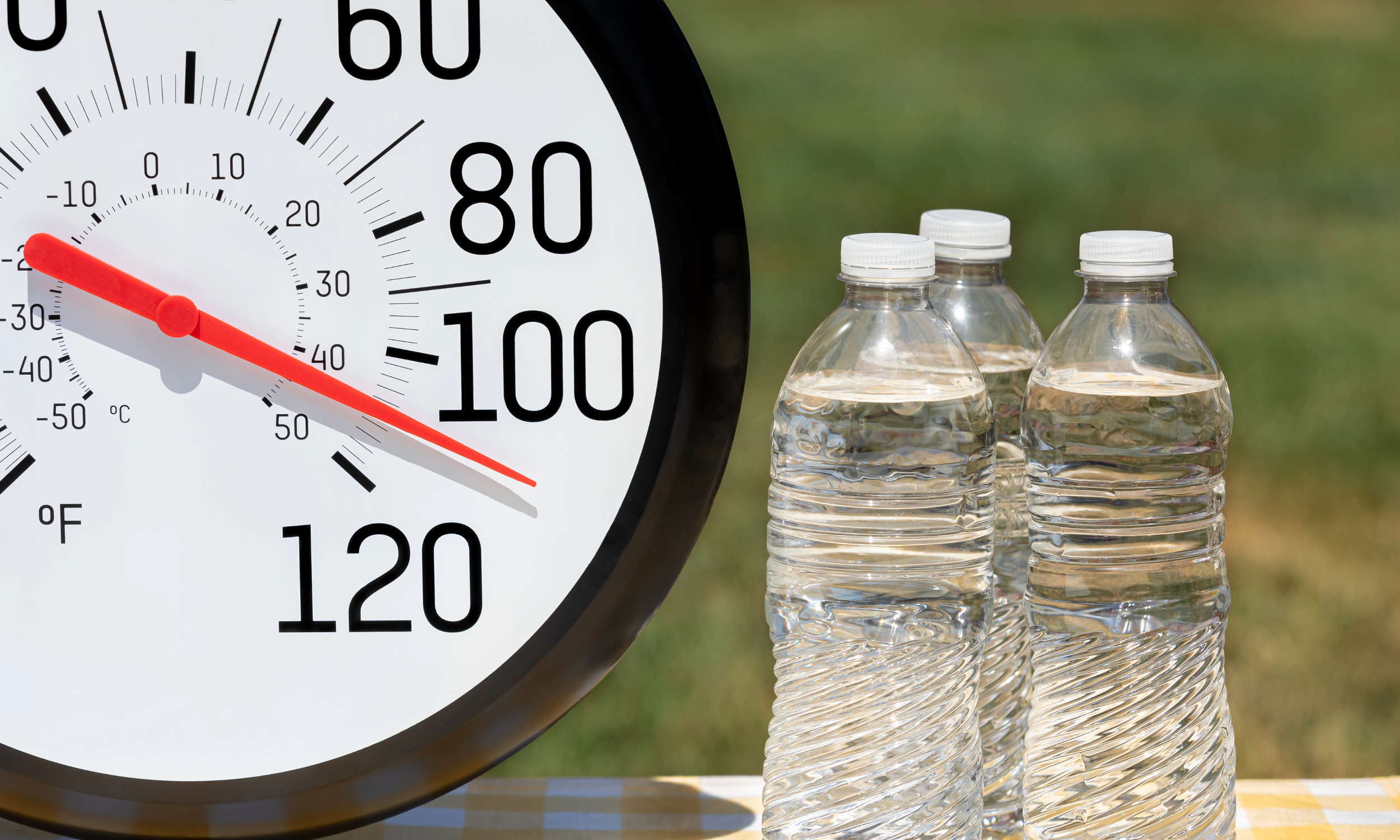
Summer Safety Tips
Before making outdoor plans, check the daily forecast and pay attention to heat advisories, especially when temperatures reach dangerous levels. When the heat is extreme, spend more time indoors or in air-conditioned environments, and avoid prolonged outdoor activity during the hottest parts of the day.
Staying hydrated, getting adequate rest, eating nutritious foods and taking frequent cooling breaks can all help reduce the risk of heat-related illness. By planning and listening to your body's warning signs, you can stay active, comfortable and safe throughout the summer.
Recognizing the Warning Signs of Heat-Related Illness
Heat exhaustion and heat stroke can develop quickly, particularly among older adults, individuals with chronic health conditions, and people taking certain medications. Recognizing the warning signs early can help prevent a serious medical emergency.
Common symptoms of heat-related illness may include:
Headache
Dizziness
Excessive sweating
Nausea
Muscle weakness
Fatigue
Rapid pulse
Confusion
Difficulty staying awake
If you notice these symptoms, move to a cool environment immediately, drink fluids if the person can do so and rest. In the event the symptoms become severe or worsen, seek emergency medical attention.
Heat Exhaustion
Heat exhaustion occurs when the body loses excessive amounts of water and salt, often through heavy sweating in hot or humid conditions. Symptoms may include heavy sweating, cold or clammy skin, dizziness, nausea, weakness and a rapid pulse.
Moving to a cool location, resting and replacing lost fluids can help. However, if symptoms worsen or do not improve, seek medical attention.
Heat Stroke
Heat stroke is a life-threatening medical emergency that occurs when the body's ability to regulate its temperature fails. A person's core body temperature may rise above 104°F (40°C).
Call 911 immediately if you suspect heat stroke. While waiting for emergency medical help, move the person to a cool or shaded area and begin cooling them as quickly as possible. Apply cool or cold, wet towels or ice packs to areas such as the neck, armpits and groin, and soak clothing with cold water when possible.
Heat stroke should never be ignored. Rapid treatment can help prevent serious complications.
What Can Increase the Risk of Heat-Related Illness?
Certain conditions can make it more difficult for the body to regulate its temperature. High humidity, dehydration, excessive clothing and obesity can increase the risk of heat-related illness.
Underlying health conditions, including heart or kidney disease and diabetes, may also increase vulnerability. Certain medications can affect hydration, sweating or the body's ability to regulate temperature.
If you or a loved one takes medications or has a health condition that may increase sensitivity to heat, talk with a healthcare professional about additional precautions to take during hot weather.
Enjoying Summer Activities Safely
Summer is a wonderful time to enjoy the outdoors, but a few simple adjustments can make favorite activities safer and more comfortable.
Walking
Plan walks for the early morning or evening when temperatures and sun exposure are typically lower. When outdoors, stay in shaded areas whenever possible or create shade with an umbrella or canopy. Bring water and take breaks as needed.
Gardening
Gardening can be a rewarding summer activity, but working in the heat can quickly lead to overheating. Garden during the cooler morning or evening hours, wear lightweight clothing and a wide-brimmed hat, and drink plenty of water.
Take frequent breaks in the shade and watch for signs of overheating, including dizziness, fatigue, excessive sweating or weakness. If you begin to feel unwell, stop the activity and move to a cool environment.
Bird Watching
Bird watching is a peaceful way to enjoy nature and is often best during the cooler morning hours, when many birds are most active. Bring water, wear sunscreen and a hat, and choose shaded locations whenever possible.
If you begin to feel overheated, take a break indoors or in a cool, shaded area before continuing.
Cool Down
When temperatures rise, cooling down regularly can help you stay comfortable. Taking a cool shower or bath can provide relief from the heat. When you're outdoors, seek shade and avoid spending extended periods outside during peak heat hours.
If the weather becomes dangerously hot, stay indoors in an air-conditioned environment whenever possible.
Stay Hydrated
Hydration is one of the most important ways to protect your health during hot weather. Dehydration can affect energy levels, cognitive function, heart health and overall well-being.
Older adults may not always feel thirsty even when their bodies need more fluids, so it's important to drink water consistently throughout the day rather than waiting until you feel thirsty.
Fresh fruits and vegetables and low-sugar beverages can also contribute to daily fluid intake. Caregivers can support hydration by offering drinks regularly and keeping water within easy reach. Adding lemon, cucumber, or berries can make water more appealing.
Simple hydration habits can help you stay energized, comfortable and safe all summer long.
Protecting Your Skin This Summer
Sunshine can boost your mood and encourage outdoor activity, but too much sun exposure can also cause sunburn and contribute to long-term skin damage. Protecting your skin should be an important part of your summer wellness routine.
Apply 30+ SPF sunscreen before spending time outdoors and reapply it every two hours, as well as after swimming or excessive sweating. Wearing a wide-brimmed hat, UV-protective sunglasses, and lightweight clothing can provide additional protection.
Seek shade whenever possible, particularly during the late morning and afternoon when ultraviolet (UV) exposure can be strongest. If you are using insect repellent, follow the directions on both products for proper application.
These simple precautions can help you enjoy the sunshine while protecting your skin throughout the summer.
Create a Summer Safety Plan
A little preparation can go a long way toward keeping you or a loved one safe, healthy, and comfortable during the summer months. Consider creating a simple summer safety plan:
Check the weather and heat advisories before outdoor activities
Drink fluids regularly throughout the day
Schedule outdoor activities during cooler hours
Take frequent breaks in shaded or air-conditioned areas
Wear lightweight, breathable clothing and sun protection
Know the warning signs of dehydration, heat exhaustion, and heat stroke
Keep medications and health conditions in mind when planning activities
Check in regularly with older adults and loved ones during periods of extreme heat
Make sure fans, air conditioning, and other cooling resources are available
Older adults and individuals with chronic health conditions may be especially vulnerable to heat-related illness, making preparation even more important.
Summer should be a time for making memories, enjoying favorite activities and spending time with the people who matter most. With the right preparation and support system in place, you can spend less time worrying about the risks of extreme heat and more time enjoying everything summer has to offer.
We're Here to Help You Stay Safe This Summer
If you or a loved one could benefit from additional assistance, Caring for People Services is here to help. Our caregivers and healthcare professionals can help individuals maintain their independence while staying safe and comfortable at home throughout the summer months.
From wellness monitoring and medication reminders to assistance with daily activities and personalized Home Care and Home HealthCare services, our team provides compassionate support tailored to each client's needs.
Contact Caring for People Services today to learn how we can help you or your loved one enjoy summer with greater confidence, comfort, and peace of mind.